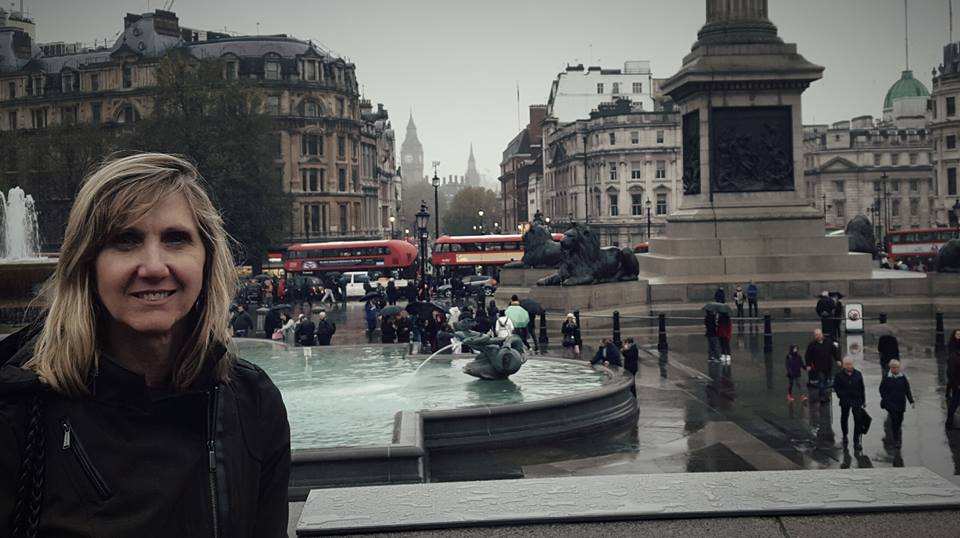
Week 149 · Wembley & London · November 2016
England
From the National Gallery — looking over Trafalgar Square towards Big Ben. No more pigeons. A more social week than planned — friends from Korea in town, a big soccer game, and Sharon visiting for the weekend.
A more social week than I was planning — friends from Korea in town for a night, then a second night, a big soccer game, and Sharon visiting for the weekend. And the US election, which generated a lot of conversation that can be summed up in a response I heard several times when I said I voted for a third party: "There was another choice? How did they not win or we even hear of this?" Hard to explain to people how locked-in the two-party system is.
The plan was for Sharon to land Friday morning and she could recover and we would meet my friends for the England–Scotland WC qualifier. But her plane had mechanical issues and they substituted a smaller plane, so she didn't make the cut with a frequent flier ticket — the second time in the last 3 months this has happened to her. Thus I had to sell her ticket to a friend of a friend of a friend and it worked out great.
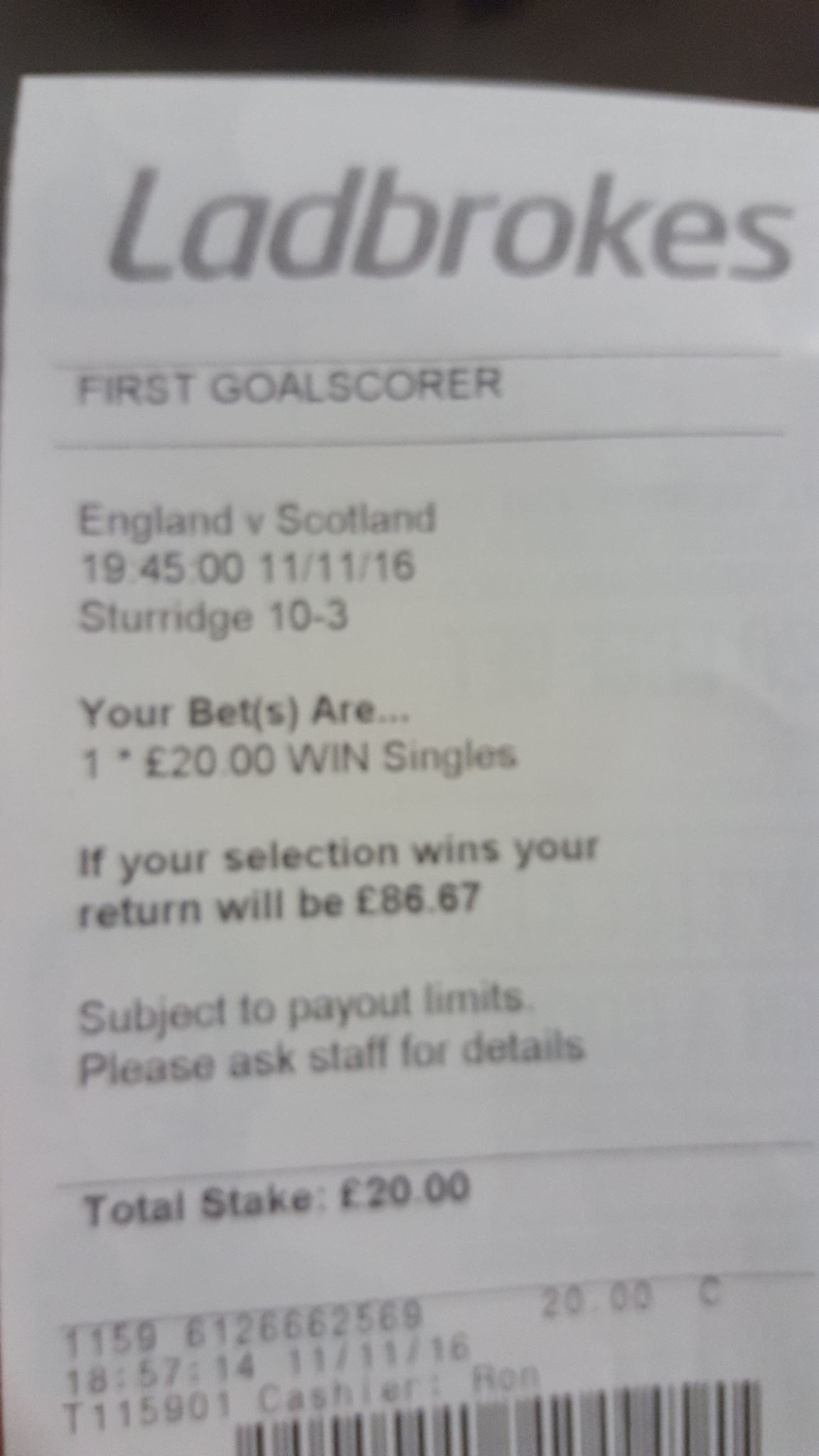
Unbelievable atmosphere — playing the oldest international rivalry in football history on the most solemn English holiday and 25% of Wembley was reserved for Scottish supporters — mostly wearing kilts and raising hell all day throughout town leading up to the game. Although most fans were not there to fight — some wore and some guys about 10 rows back from us ended up on the internet feeds of local papers. To top it off — of course gambling is allowed with the sport book at the stadium and I turned £20 into £86.
England vs. Scotland is the oldest international association football match in history, first played in Glasgow on 30 November 1872 — a 0-0 draw attended by around 4,000 people. The fixture has been played over 115 times. Scotland had not beaten England at Wembley since 1977 at the time of this November 2016 qualifier. The match fell on Armistice Day weekend — the most solemn date in the English calendar — adding a layer of weight to the atmosphere that goes beyond sport. England won 3-0 on the night, with Rooney among the scorers.
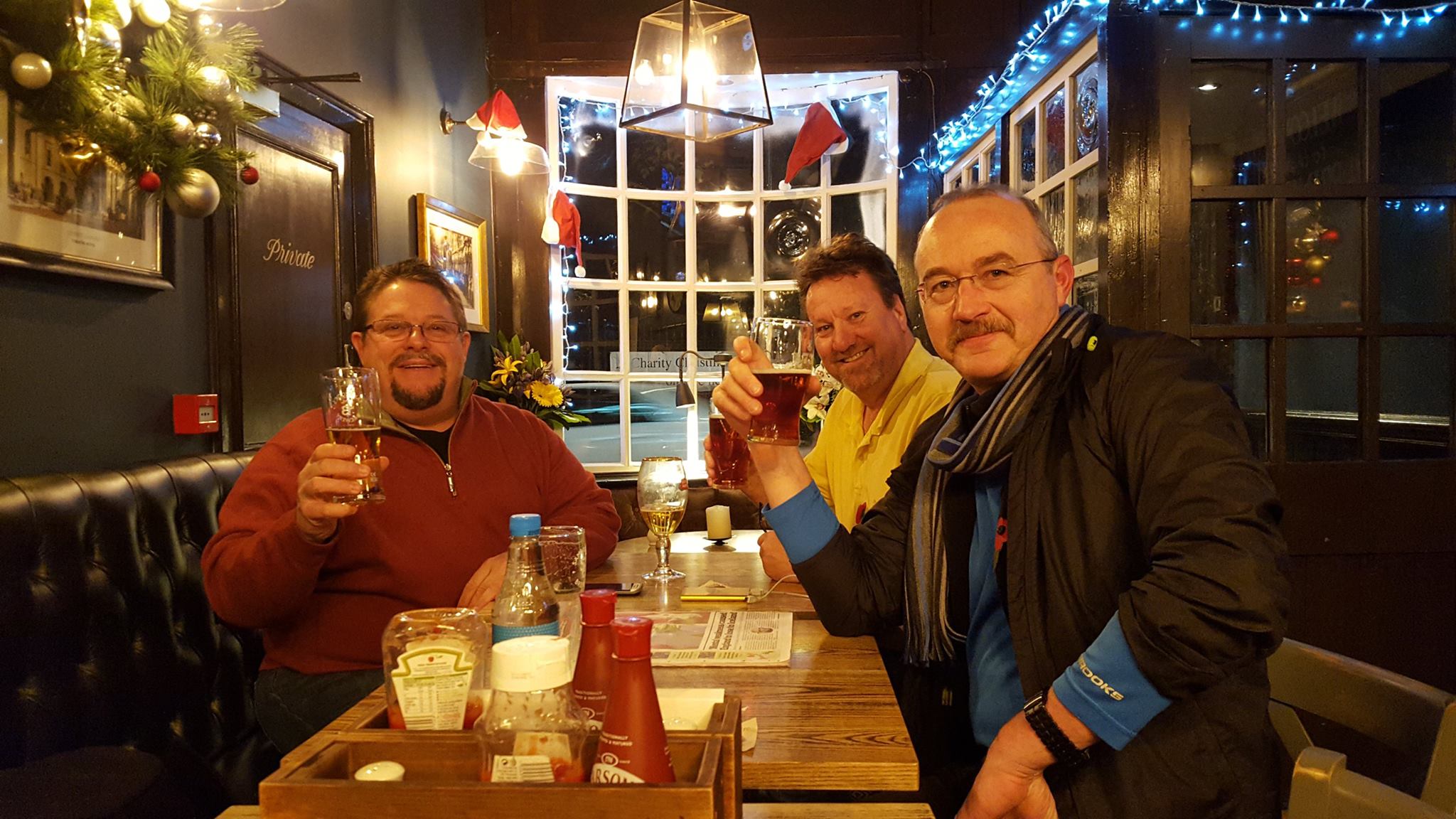
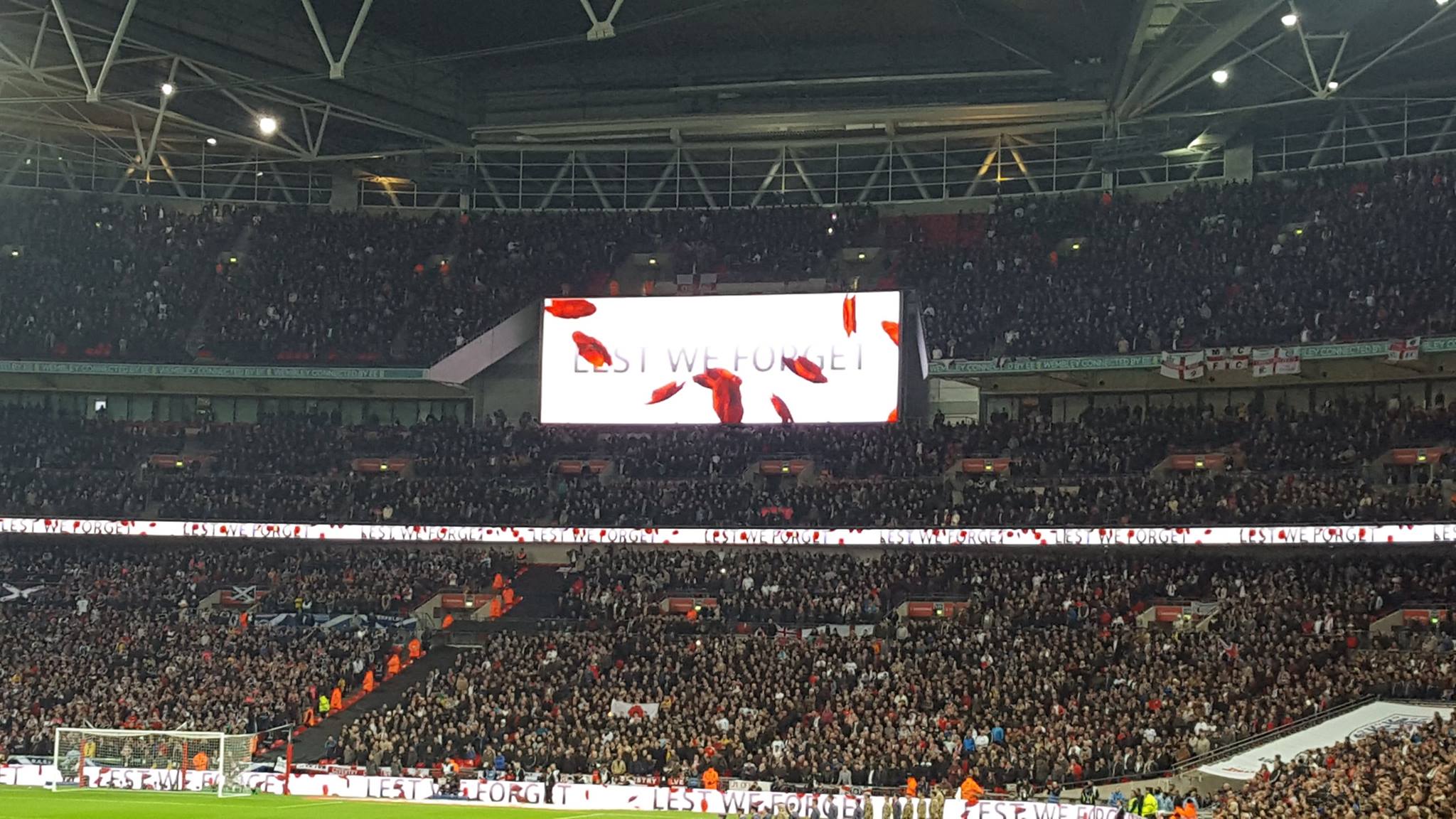
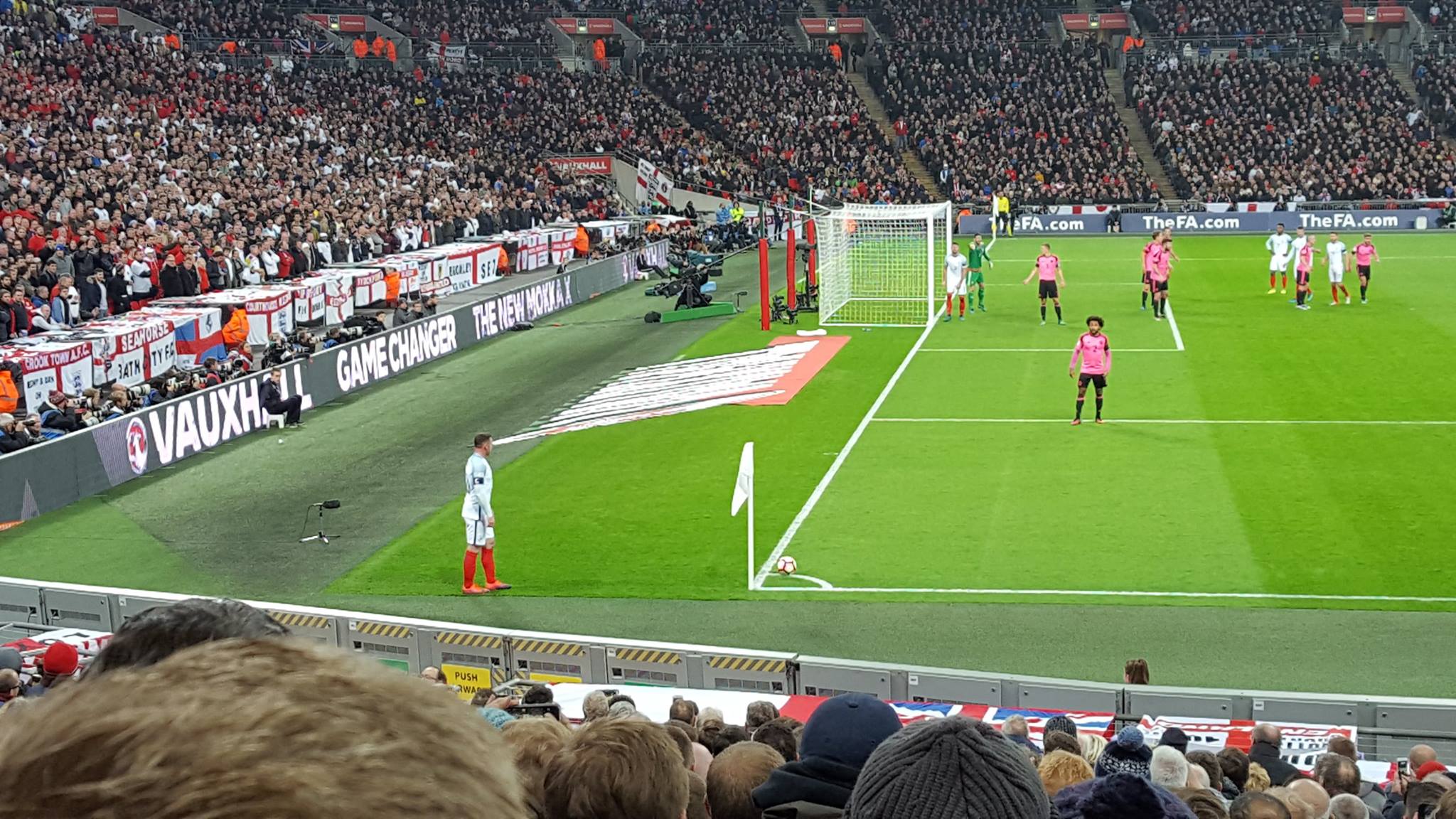
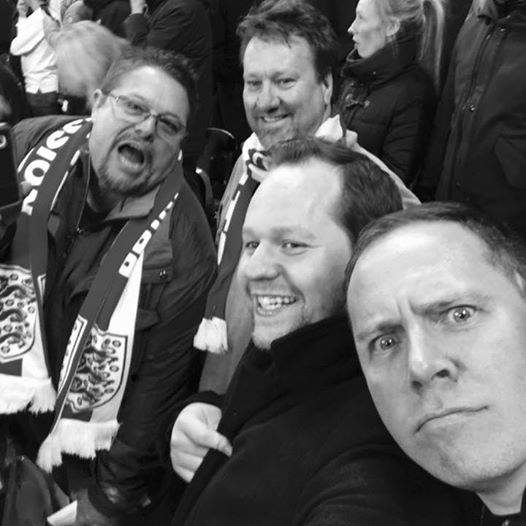

"25% of Wembley was reserved for Scottish supporters — mostly wearing kilts and raising hell all day throughout town leading up to the game."
Left the game about 10 minutes early to beat traffic and the potential riot to meet up with Sharon who landed during the game on her delayed flight. Uber didn't work in the mayhem so as I was walking into the train station, a sketchy guy on the street came up and said he had mini-cabs around the corner — arrived at my hotel an hour later, and only 10 minutes later than Sharon from the airport.
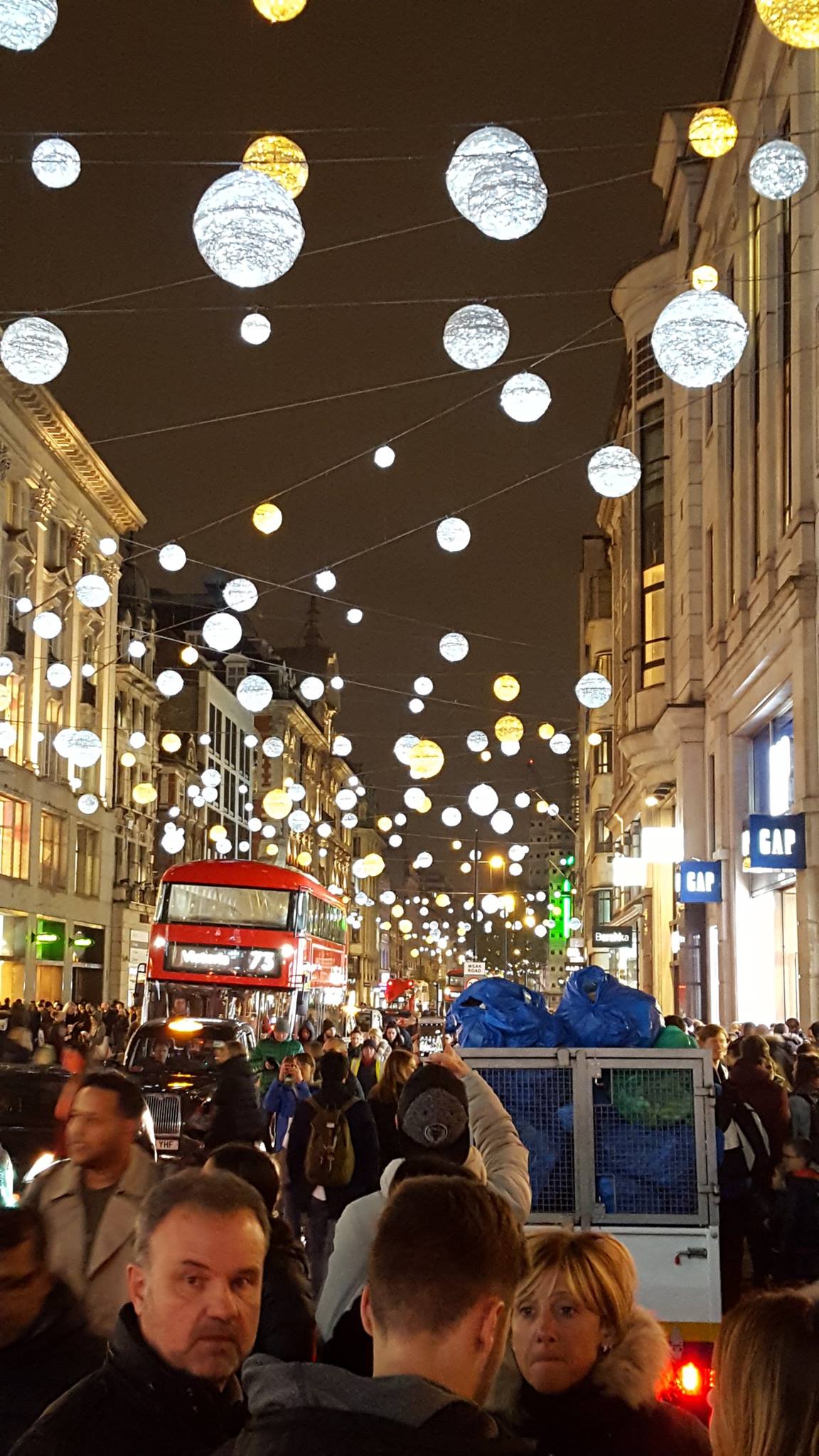
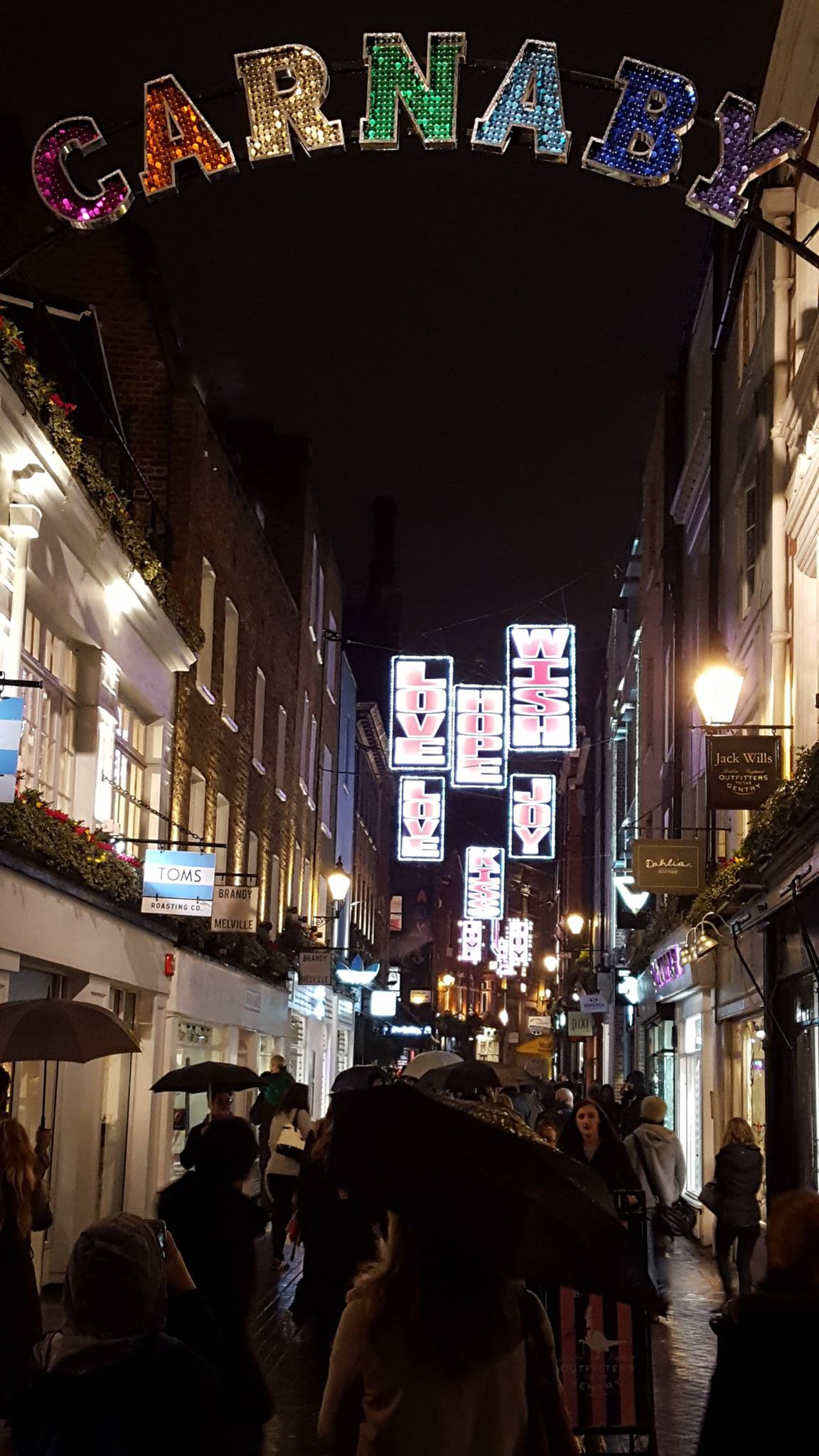
For the weekend, we revisited places we hadn't been to in many years. Walking from Waterloo, went across the Thames to the National Gallery, Piccadilly Circus, Oxford and Bond Street, Soho, to Hyde Park Corner. Visited more shoe stores than pubs and many Christmas decorations were already up — but after 10 miles walking we did need new shoes. The National Gallery was a good reminder of how genius can come in many forms.
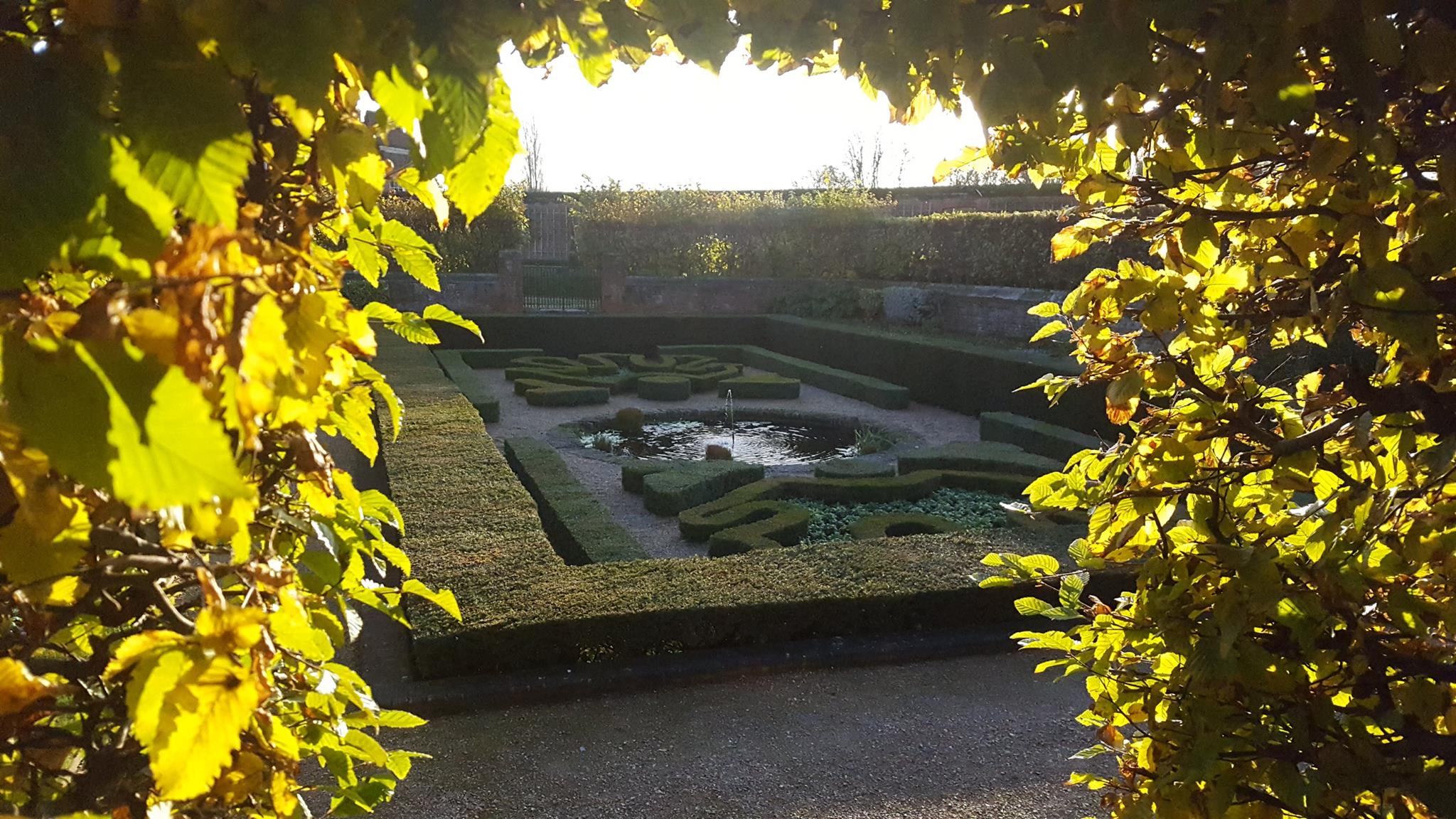
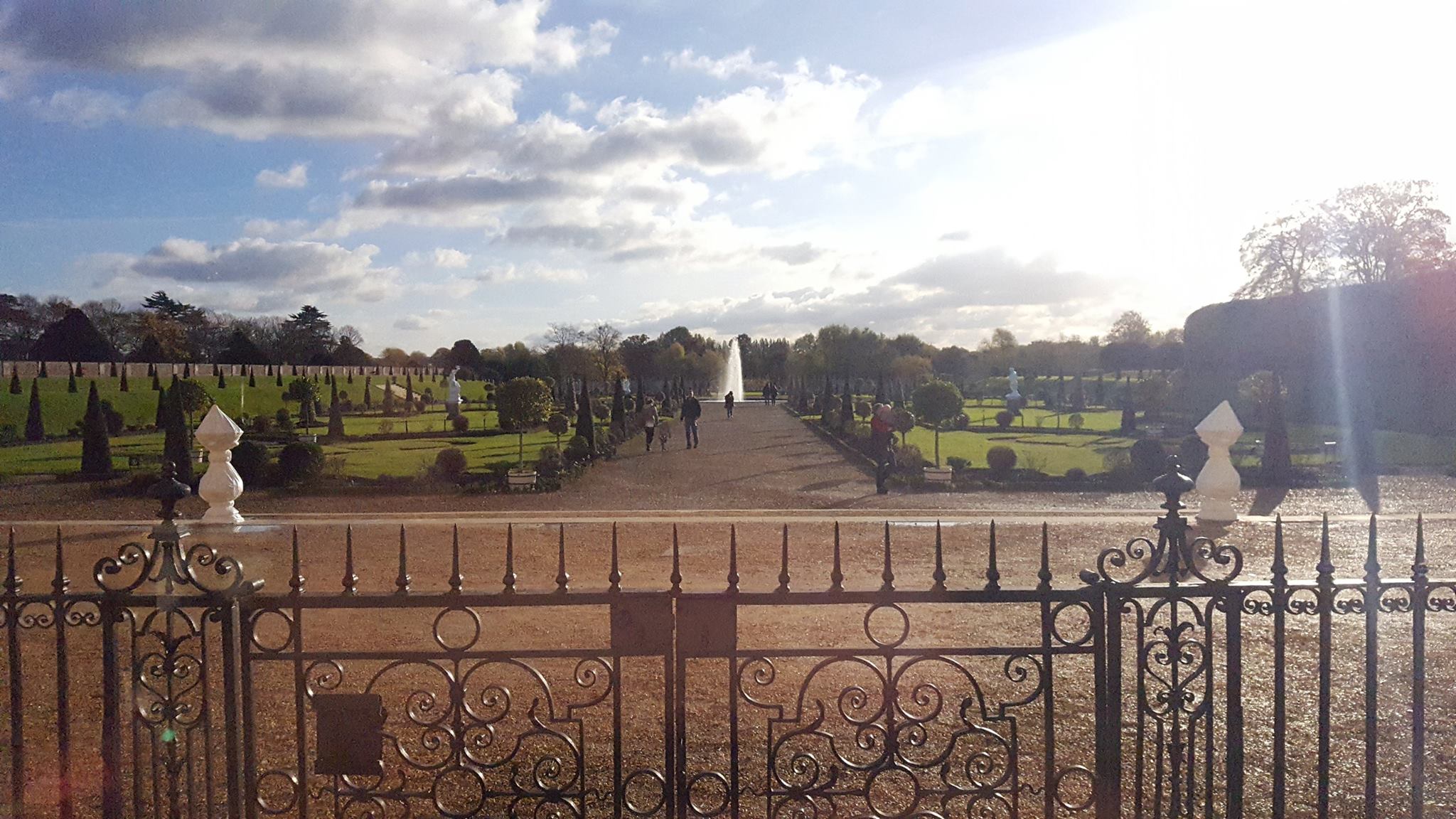
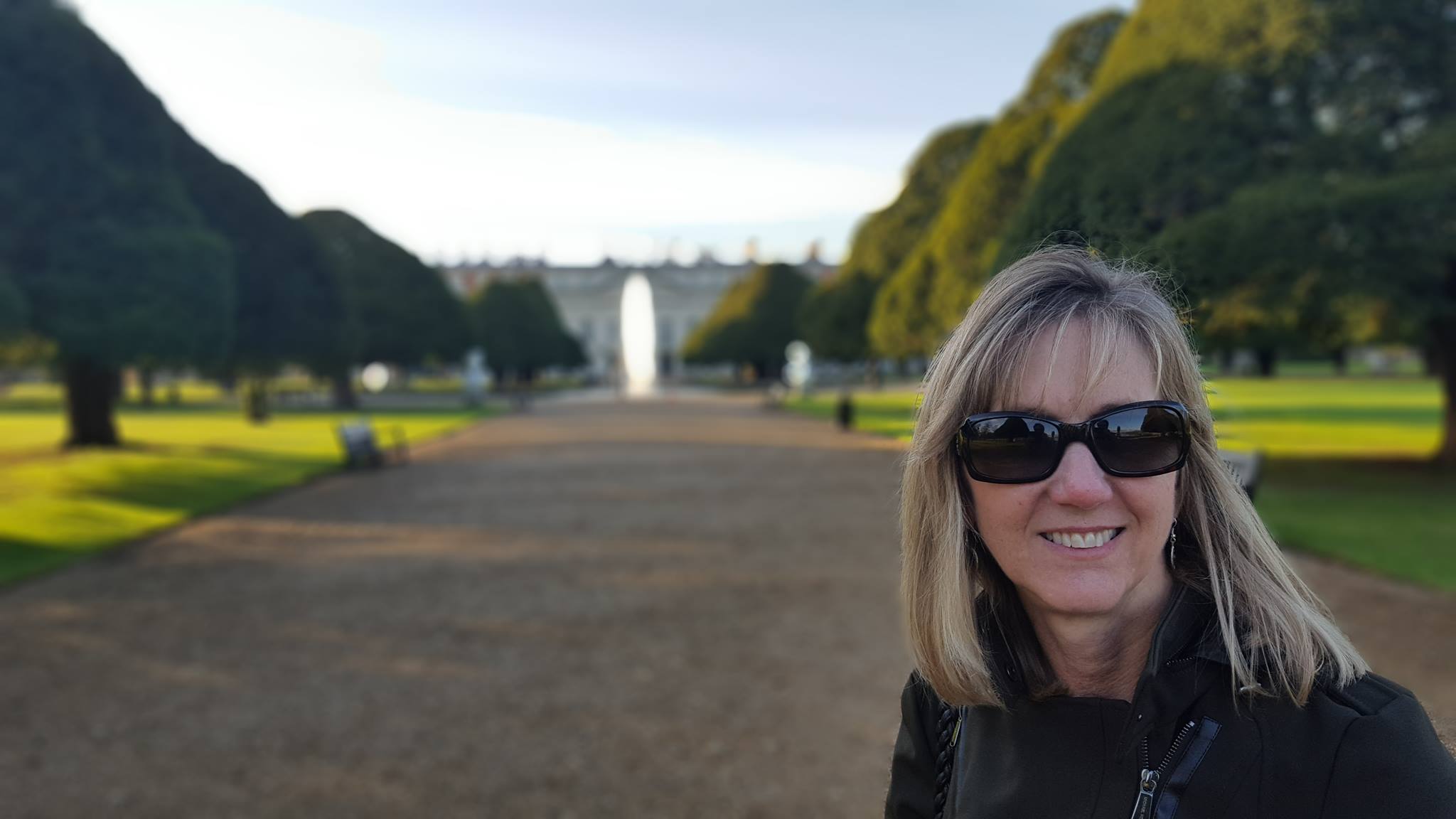
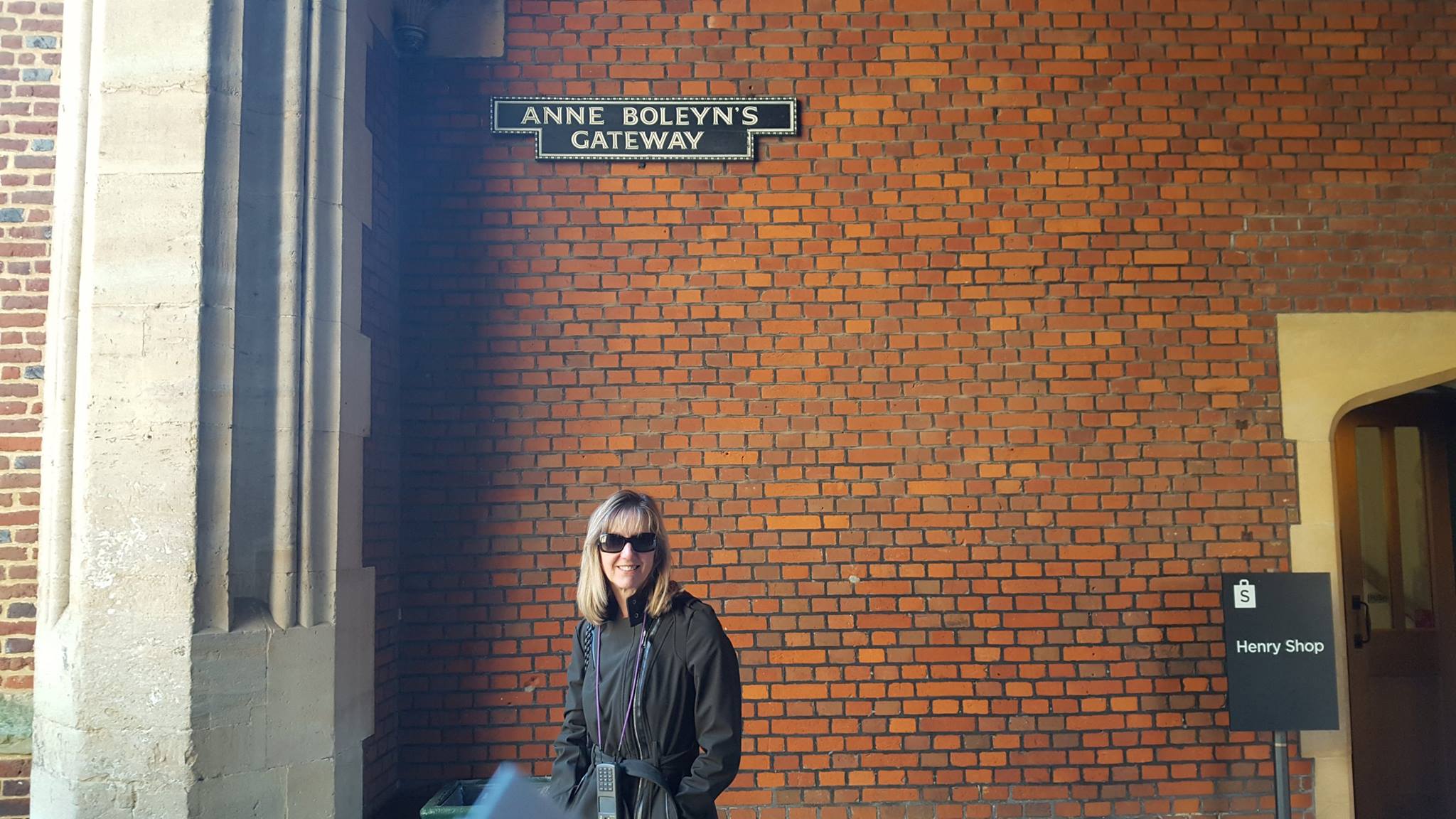
On Sunday, stayed outside of town near Shepperton and went to Hampton Court Palace — a primary home of Henry VIII. Very sunny day but we never found the supermoon.
Hampton Court Palace in East Molesey, Surrey sits on the north bank of the Thames about 13 miles southwest of central London. Originally built for Cardinal Wolsey around 1515, it was seized by Henry VIII in 1529 and became his favourite royal residence. Henry added the Great Hall, the kitchens, and the famous maze — still open to visitors — and six of his wives lived there at various points. The palace's 60 acres of formal gardens include the Sunken Garden, the Privy Garden restored to its 1702 appearance, and the Great Vine, planted in 1768 and still producing grapes today. It remained a royal residence until George II — after which the "grace and favour" apartments were opened to courtiers and staff.